
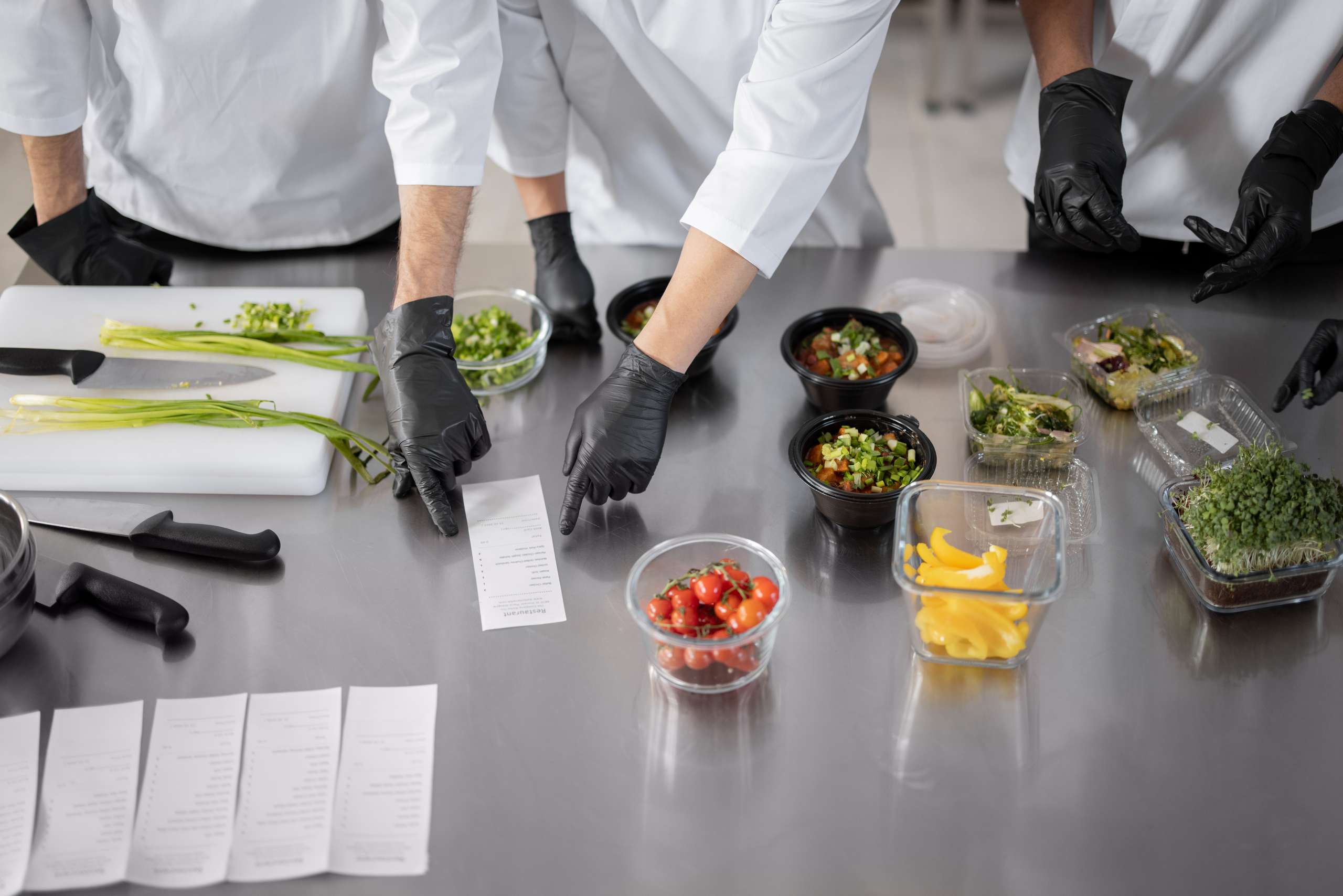
A good first trial in food tech should feel contained. Most people do the opposite. They select some complex product with a lot of degrees of freedom, change five parameters at once, and then can’t tell if the product fell apart because of the texturizers or the emulsifiers. Instead, choose a simple product with a single target outcome: a drink that doesn’t separate, a sauce that isn’t lumpy, or a cake that isn’t dense. In a simple system, there’s less to misinterpret. That’s more important than trying to be impressive on the first pass.
Formulation goes smoother if you approach each round as a question rather than a demonstration. Formulate to ask one question at a time. What if we reduce the sugar a little? What if we use a different oil? What if we mix for five more minutes? Everything else in the formula should remain constant while you test that one parameter. This feels slow, but in the long run it’s faster because you learned something useful from the round. A classic error is to change the sweetness, the acidity, the thickness, and the processing conditions all at once. You just confused yourself. If the round fails, go back to the previous version that worked and change only one variable.
It also helps to teach yourself to evaluate with your senses before you get buried under your notes. After every round, stop for a minute and describe what’s happening with your product in ordinary language. Does it flow smoothly or separate into ribbons? Does it smell distinct or muddy? Does it taste heavy or thin or sticky or chalky or watery? Take those notes immediately. Most people rely too heavily on their memory, only to discover later that all the failed rounds have blurred together into a single impression. A couple of sentences taken at the bench are worth a pageful of notes taken hours later. Even a few words on appearance, texture, flavor, and aftertaste can show you a trend over a few rounds.
If you only have a few minutes and a little material to spare, there’s a fifteen-minute game you can play. In the first minutes, review your previous round and decide what you want to test. In the next minutes, make an itsy-bitsy batch and try to do everything the same way as you did previously, including the temperature and mixing order and resting time. In your last minutes, compare this round to the previous round and note what’s changed. And if the round has failed completely, don’t throw out the information along with the product. What can you learn from the failure? Maybe the emulsion broke because of the mixing order and not just the ratio. Maybe the gummy mouthfeel came from incomplete hydration and not too much starch.
If you get stuck, define the problem down until it isn’t overwhelming anymore. If you have a spread that’s too greasy, don’t try to reformulate the whole thing at once. Just think about one thing at a time, like the balance of the fat blend or the intensity of mixing or the way it cools. If you have a drink that’s separating too fast, observe the particle size and suspension before you add more ingredients. Most people respond to problems by adding more variables, which can mask the real problem. Restraint is also a skill in formulation. The most obvious improvements will come from cleaner structure, better observation, and fewer uncontrolled variables.
With time, these little rounds will give you your sea legs. You’ll begin to recognize which ingredients contribute to body and which contribute to flavor and which process steps quietly undermine the final product. You won’t learn that by throwing darts. You’ll learn it by making careful comparisons, taking honest notes, and being patient enough to let one round answer one question.