
Built For Food Systems
A practical approach shaped by testing, process control, and reflection
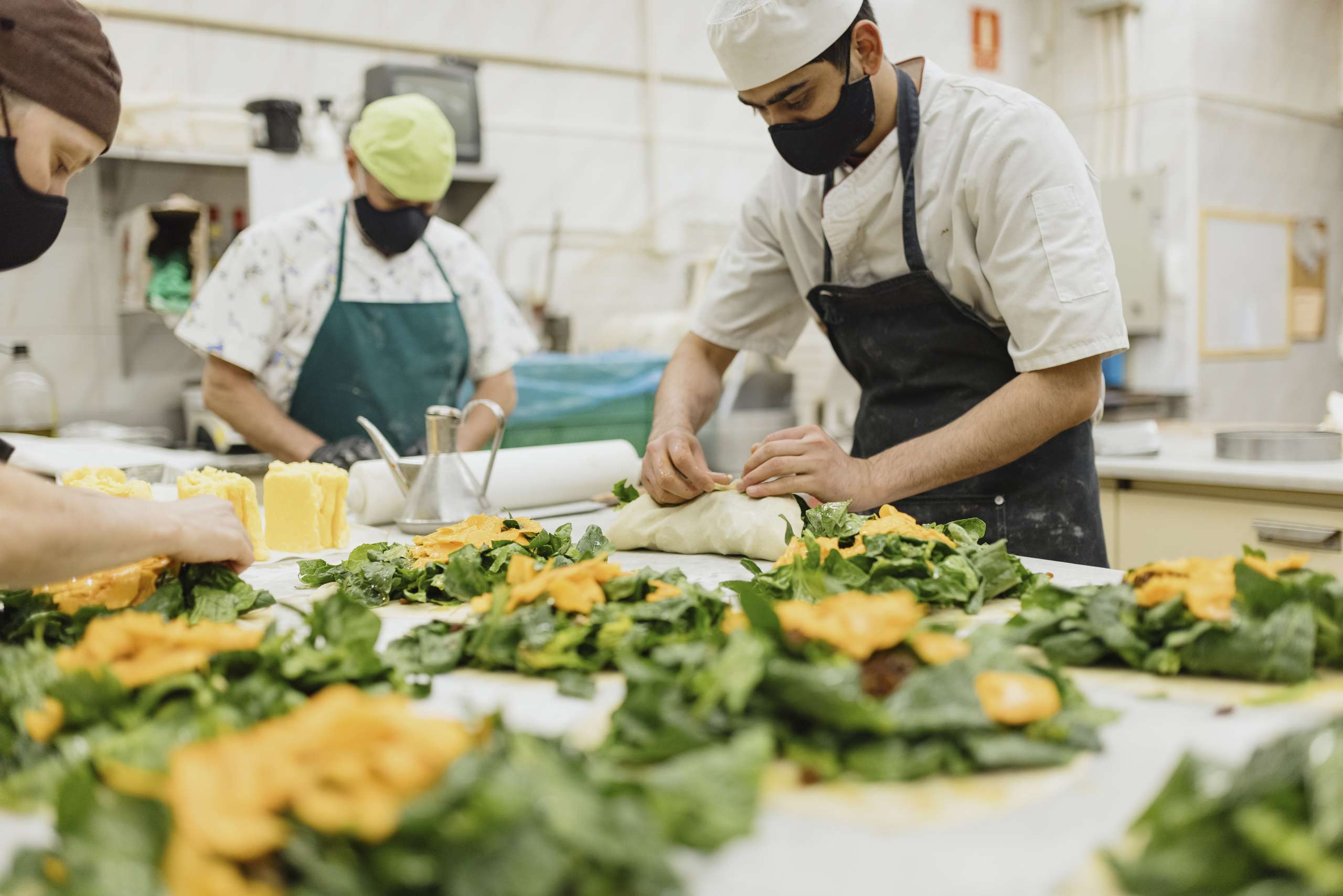
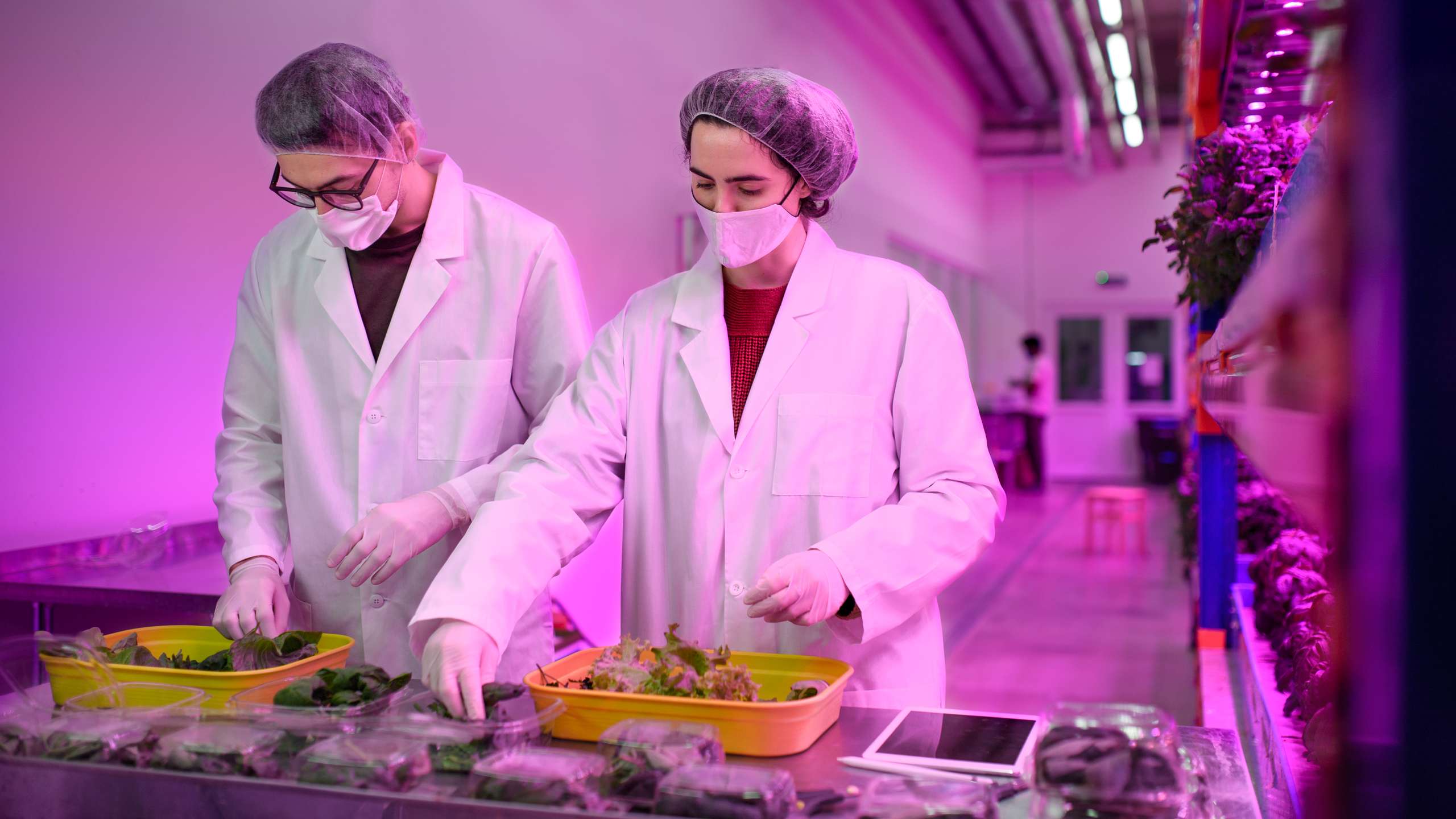
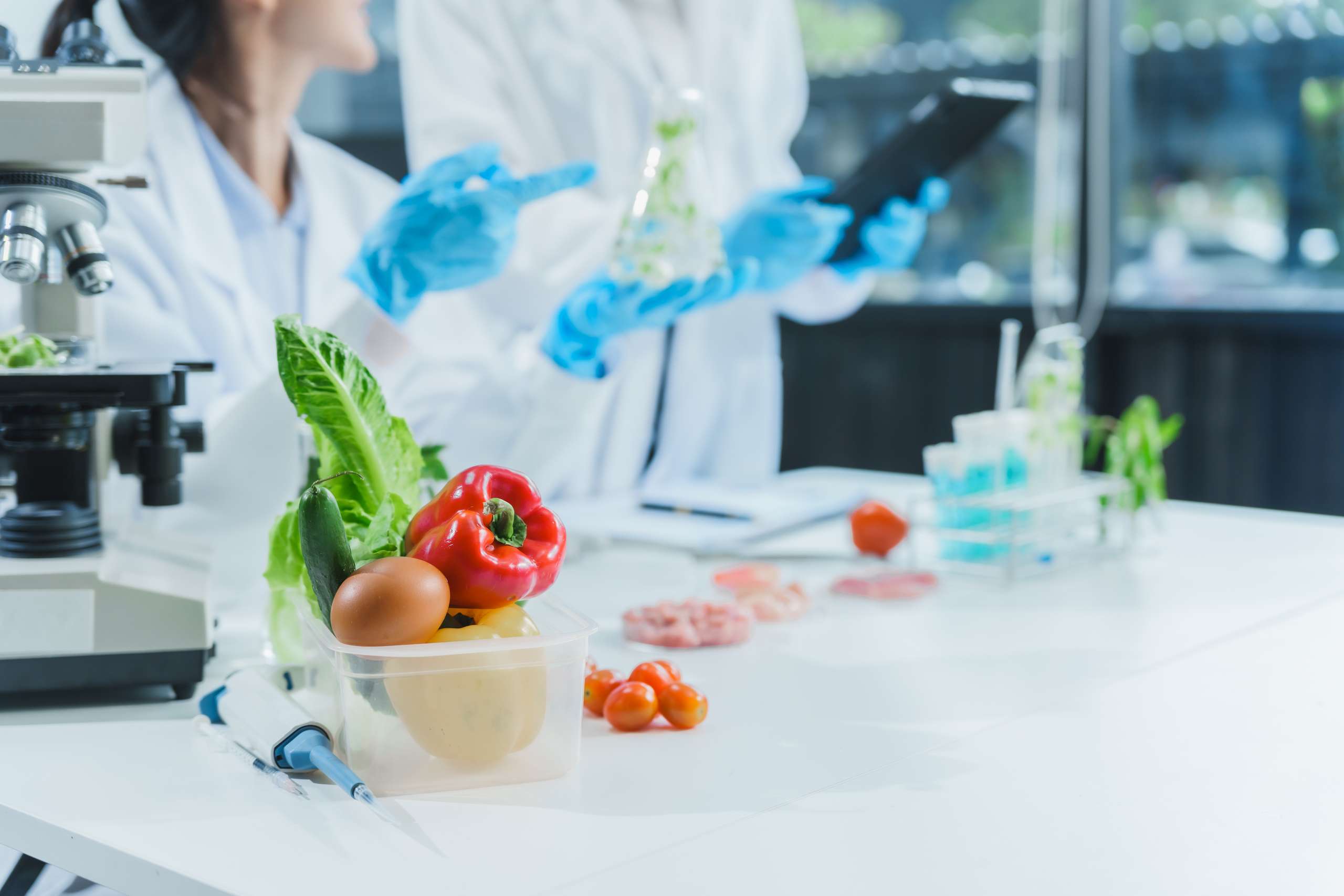
Work begins with ingredients, ratios, and product goals so learners can understand how composition influences texture, stability, flavor balance, and overall product behavior.
Small batch testing makes improvement visible, helping learners compare outcomes, spot weak points, and refine process choices without losing sight of the original product target.
Clear responses focus attention on what needs adjustment, from mixing order to hydration, heating, or ingredient balance, so each next attempt becomes more precise.
Methods are explained in relation to real production logic, connecting formulation, handling, and evaluation so learning stays tied to practical food development work.
Attention stays on consistency, product integrity, and sensible decision-making, helping members understand why a result succeeds, fails, or changes over time.
Progress is built through repetition, observation, and refinement, giving learners a stronger grasp of food technology without turning the process into guesswork.
What Guides The Work
Principles shaped around practical food technology progress
Careful Product Thinking
Every concept is tied to actual product behavior so learning stays grounded in formulation choices, processing realities, and the results that appear in the final sample.
Useful Technical Practice
The method values repeatable practice, honest evaluation, and clear refinement so learners can build confidence through work that reflects real food development challenges.